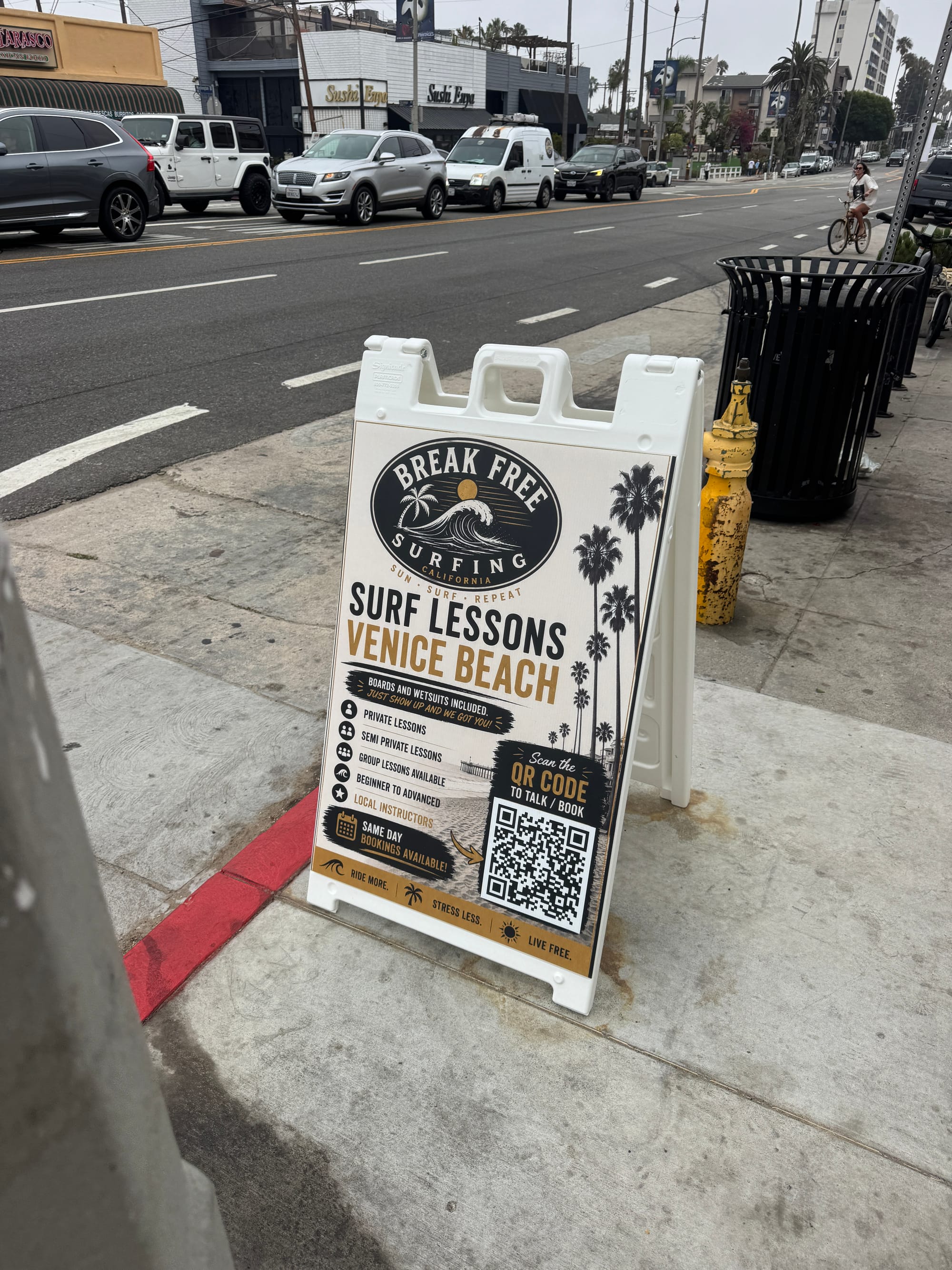
I am not sure, exactly, how many ChatGPT signs, flyers, or advertisements I had seen without noticing. But I do remember that once I began noticing them, I saw them everywhere. A few blocks from my house, on a display easel: “Break Free Surfing California: SURF LESSONS VENICE BEACH.” On Instagram, a going out of business closeout sale for a skateboard shop. On invites to parties from friends, Fourth of July barbecues being thrown by bars, concert posters. I saw ChatGPT-designed advertisements for drug deliveries in Berlin, World Cup parties in France, junk hauling services in South Carolina, and fundraisers in Texas. The scourge of low effort, stylistically indistinguishable AI-generated signs and flyers have flooded both social media and, increasingly, posters, billboards, and signs in real life: “So ain’t nobody gonna address this ChatGPT flyer pandemic we’re in?” one viral post on Threads read last month.
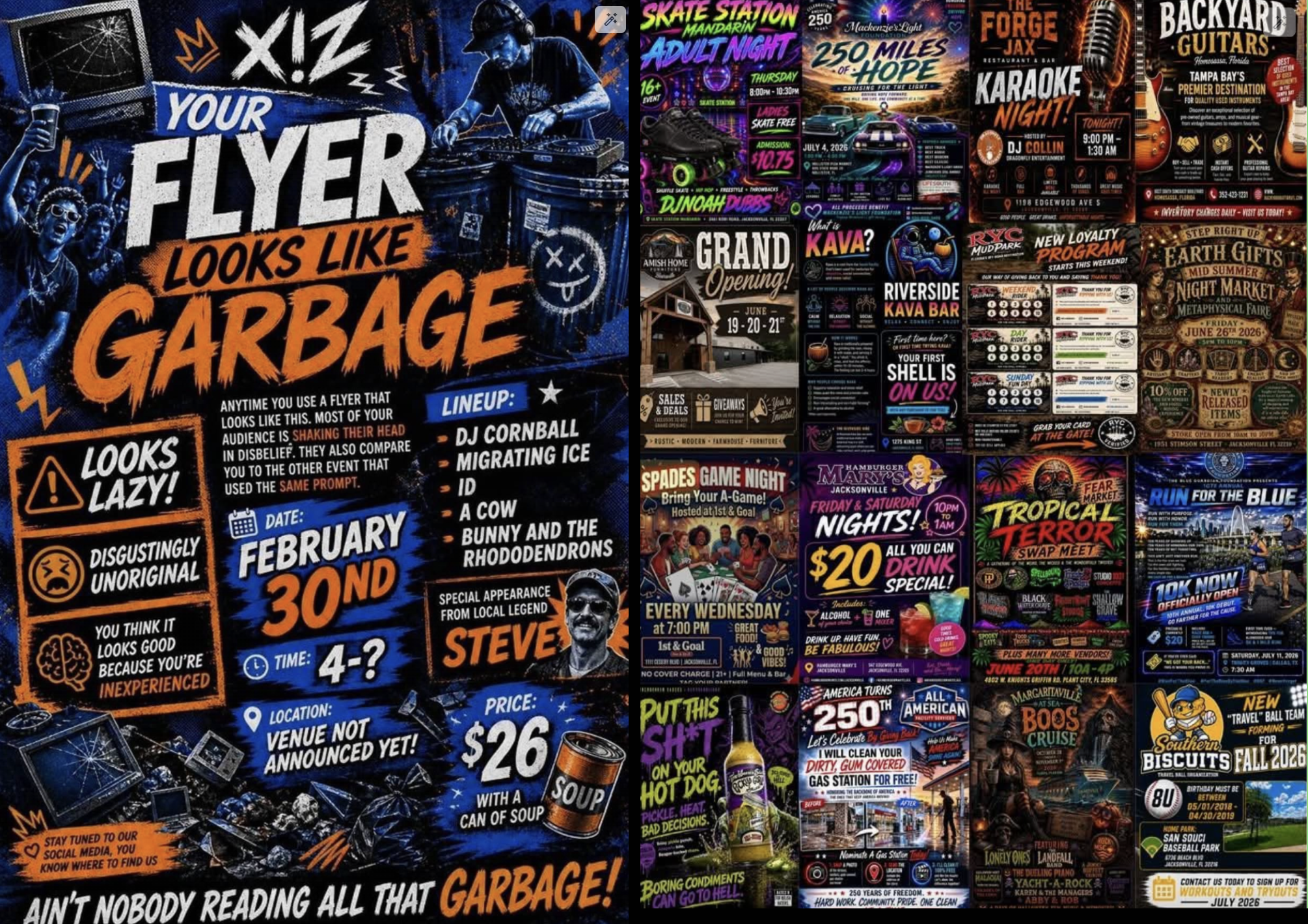
“YOUR FLYER LOOKS LIKE GARBAGE,” a viral ChatGPT-generated parody of the genre posted by Jill Oliver reads. “Hey if this is your flyer, I’m not going, I’m not donating, I’m not sharing. Don’t ask me.” The “ChatGPT flyer pandemic” has become a big topic of conversation among graphic designers, musicians, bars, and small business owners who care about design and showing that they’ve put effort into something.
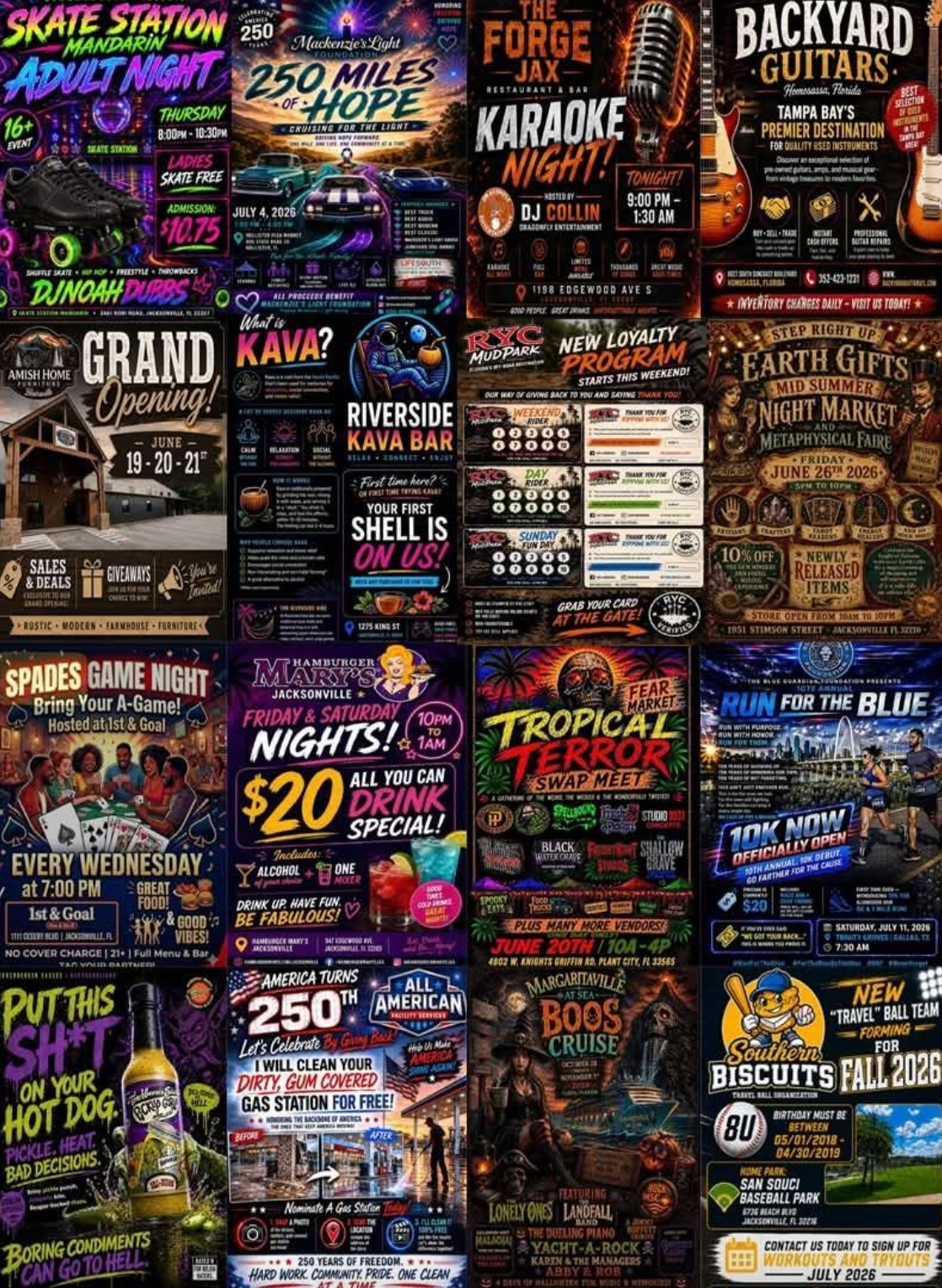
Once you notice a ChatGPT flyer, you will see them everywhere if you keep your eyes open. The art of the format is basically big, flashy bright text on dark background and an AI-generated or AI-altered image. There is almost universally a little box of generic icons in a bulleted list vaguely tied to whatever event or business it’s advertising, lines coming off of the text to emphasize whatever it’s saying, and either bolded words or underlined text and tons of arrows and checkmarks haphazardly strewn throughout. It is easier to just show you what they look like than describe it, because they all look basically the same:
The argument against ChatGPT-generated flyers is basically the same as the argument against all other types of AI slop: It looks generic, lazy, and like businesses don’t care. The designer Kenzi Green made a video about the backlash to AI flyers that has 870,000 views called “Customers are begging you to stop the AI slop.” Another video of a graphic designer putting his head in his hands and shaking his head while ChatGPT flyers scrolls past called “we are living in an AI flyer pandemic” has nearly 7 million views.
“Your logo, food truck wrap, social media graphics, menus all look AI generated,” Green said. “People are going to be able to spot that from a mile away and choose the competitor next to you that looks like they actually hired a human being,” she said. “It might feel like you’re ‘saving time and money,’ but you’re actually slowly turning your brand into something generic like all the other brands out there using AI tools.”
The rejection of ChatGPT flyers infesting real life spaces is real, growing, and cuts across languages and borders. The New Jersey-based sticker company Death By Stickers has started selling a “CERTIFIED AI BULLSHIT” sticker for people to slap on ChatGPT flyers: “With your roll of 50 “CERTIFIED AI BULLSHIT” labels you can let everyone around town know when that flyer is AI SLOP,” the company says. The Thomas House Bar in Dublin has said it will stop letting people post AI flyers in its pub: “We’re not accepting AI posters or flyers for the pub,” the bar wrote on Instagram. “We’re right next to Ireland’s biggest art college, lads. It’s not a good look.” I have seen anti-AI posters in Portuguese (“TUDO IGUAL: FLYER GERADO PELO CHATGT? CLARO QUE SIM!” Same old story: Flyer generated by ChatGPT? You bet!) and German (“BITTE KEINE FLYER MIT CHATGPT” Please don’t create flyers with ChatGPT). I have seen numerous viral posts from people saying that they will not go to businesses or events that use AI posters to promote, lest one get roped into a Fyre Fest or Willy Wonka AI hellscape experience. And I have begun seeing real graphic designers offering low-cost services for companies that promise not to use AI flyers.
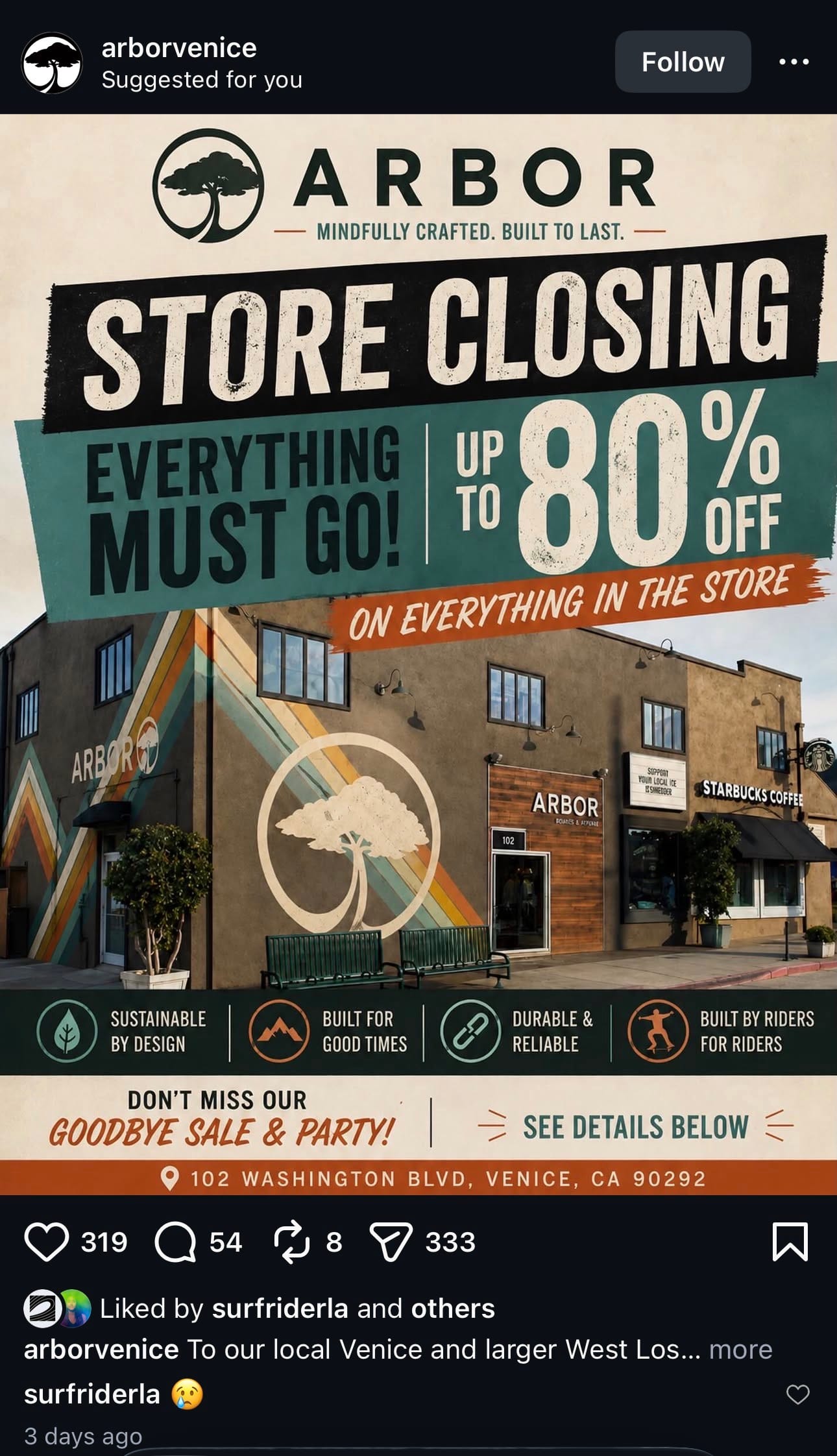
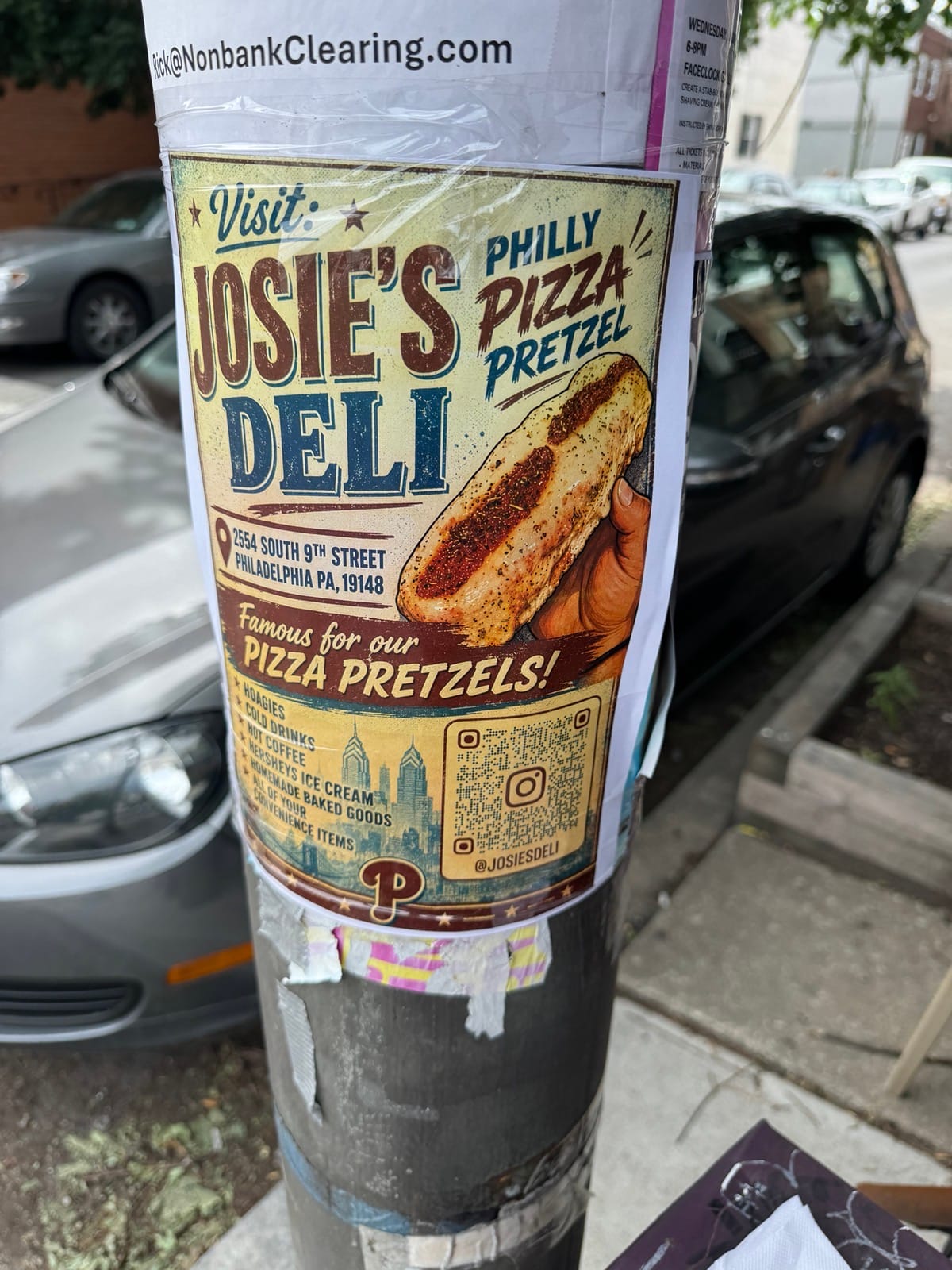
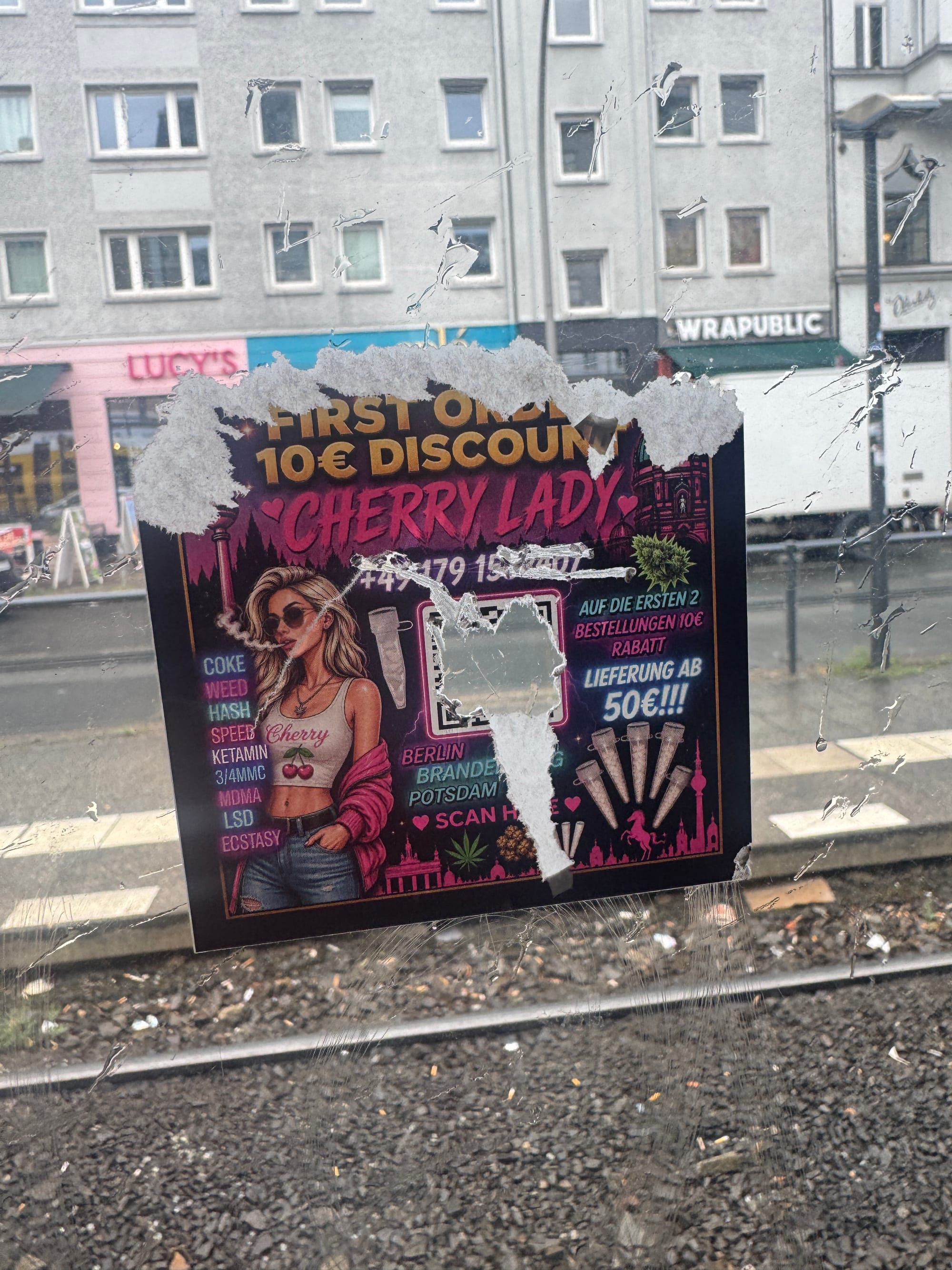
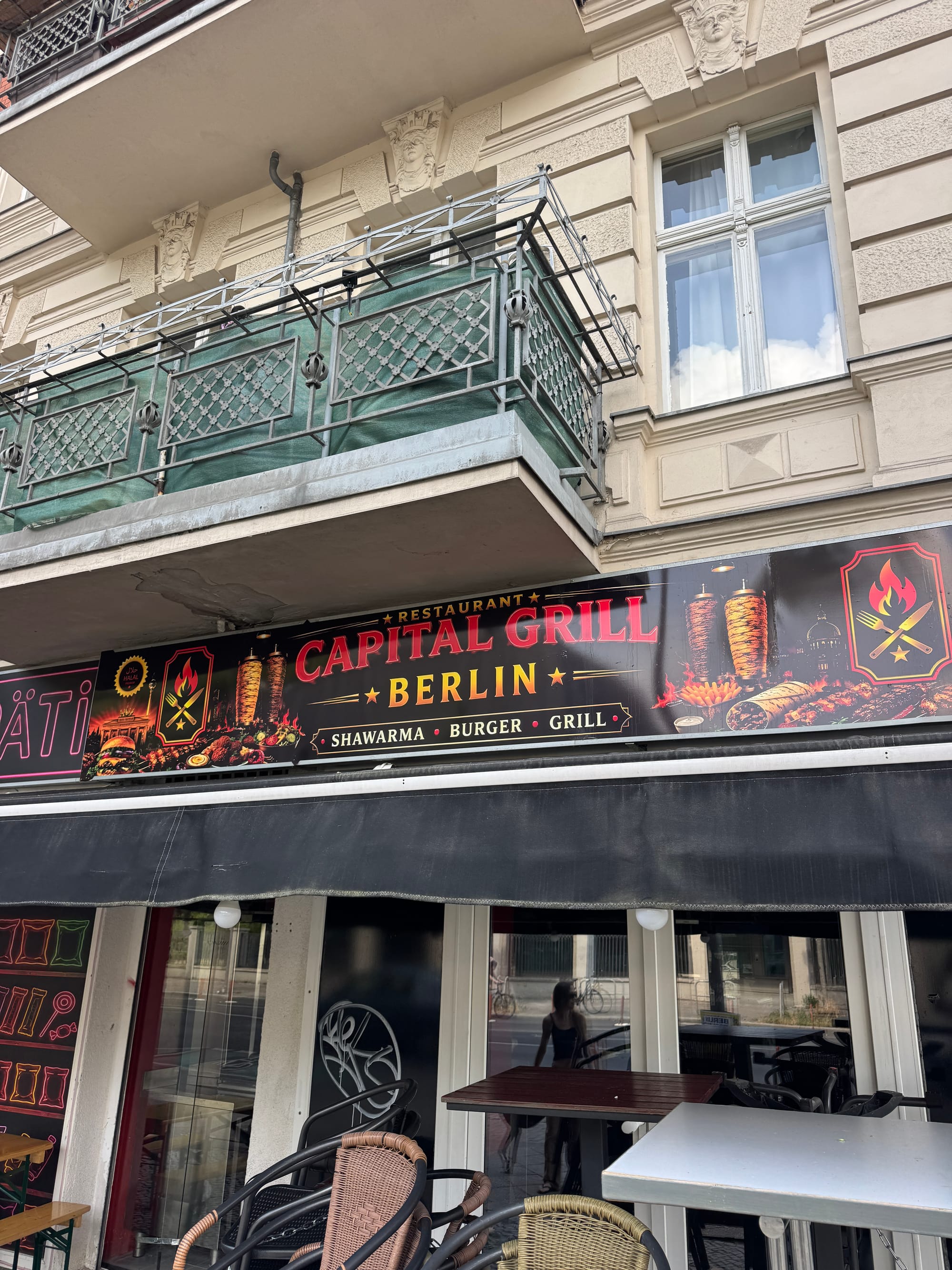
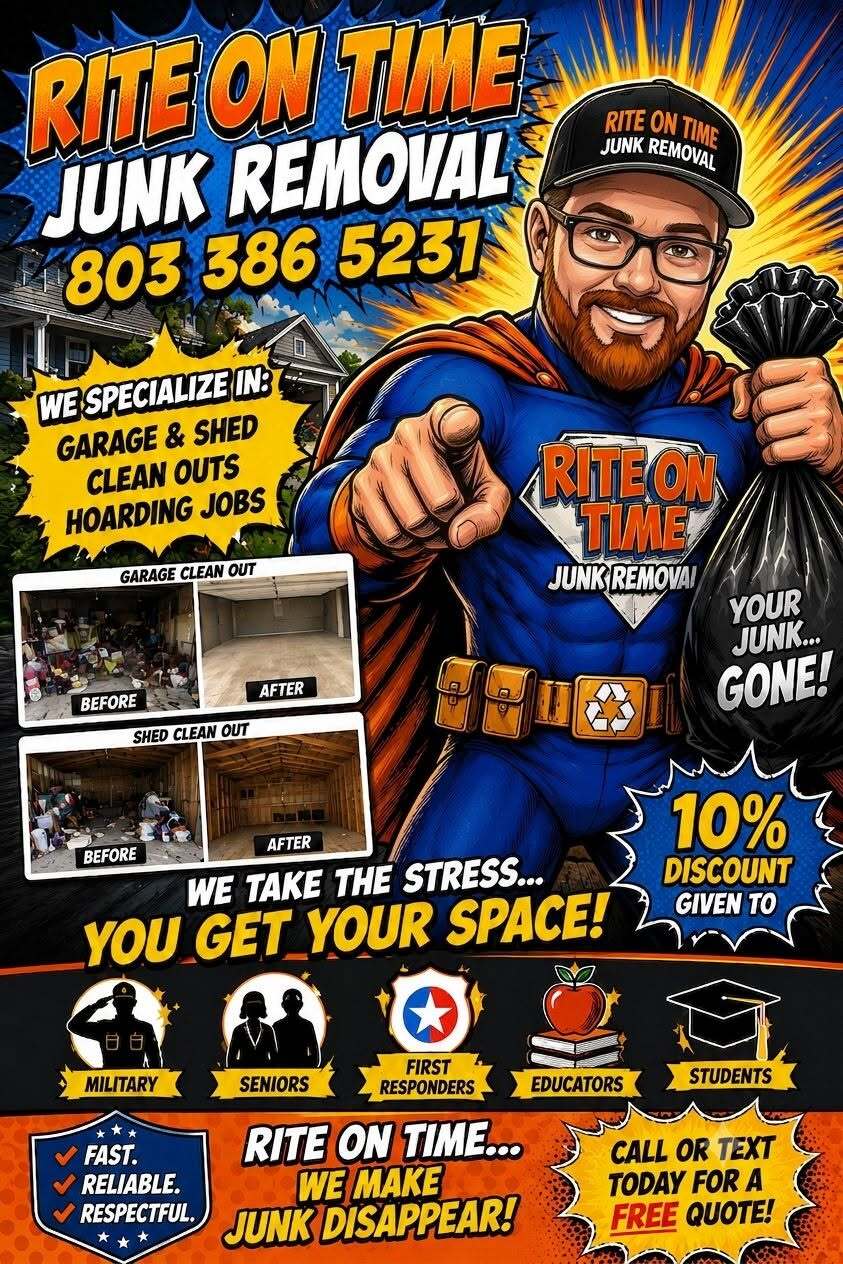
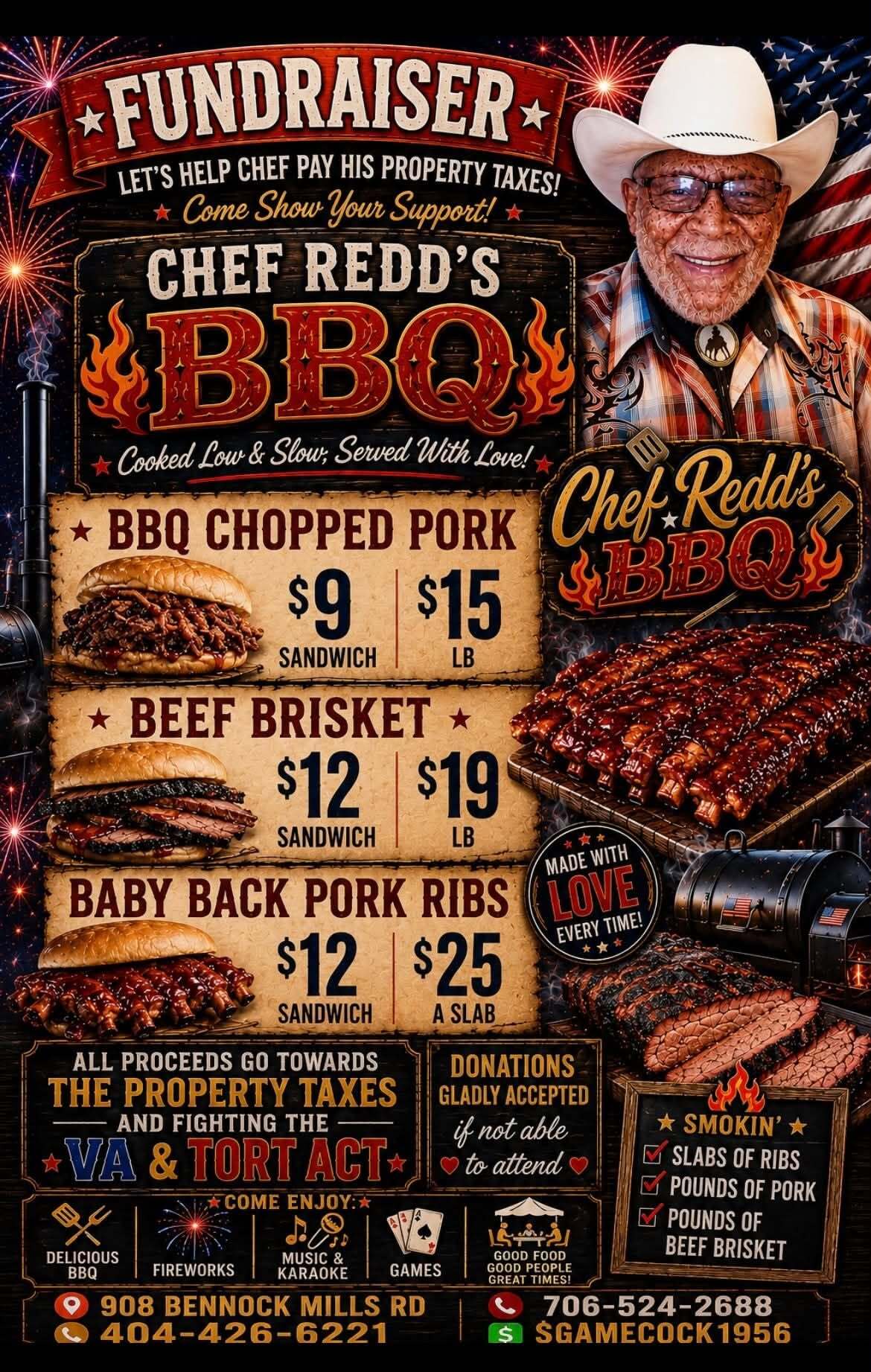
Jonathon Yule, executive creative director for design at the creative studio Concrete in Toronto told 404 Media that these types of posters continue a long tradition of terrible graphic design that we see in the world, but with “none of the charm” that may accidentally come from a business owner making something low quality.
“Terrible posters are nothing new,” Yule said. “The only difference today is generative AI makes it easier than ever to get the veneer of “polish” with none of the charm that these types of posters might have had when the designer was faced with constraints (usually time, resources or experience). These types of posters would have typically been done by designers either working at a small agency or print shop and these mid-level design jobs are disappearing. Stepping back to think about where this style (and its acceptance in the world) might have come from I’m going to have to pin the blame on YouTube and AB-tested-whatever-gets-more-clicks approach to thumbnail design with the exaggerated facial expressions and shoddy yet eye catching typography.”
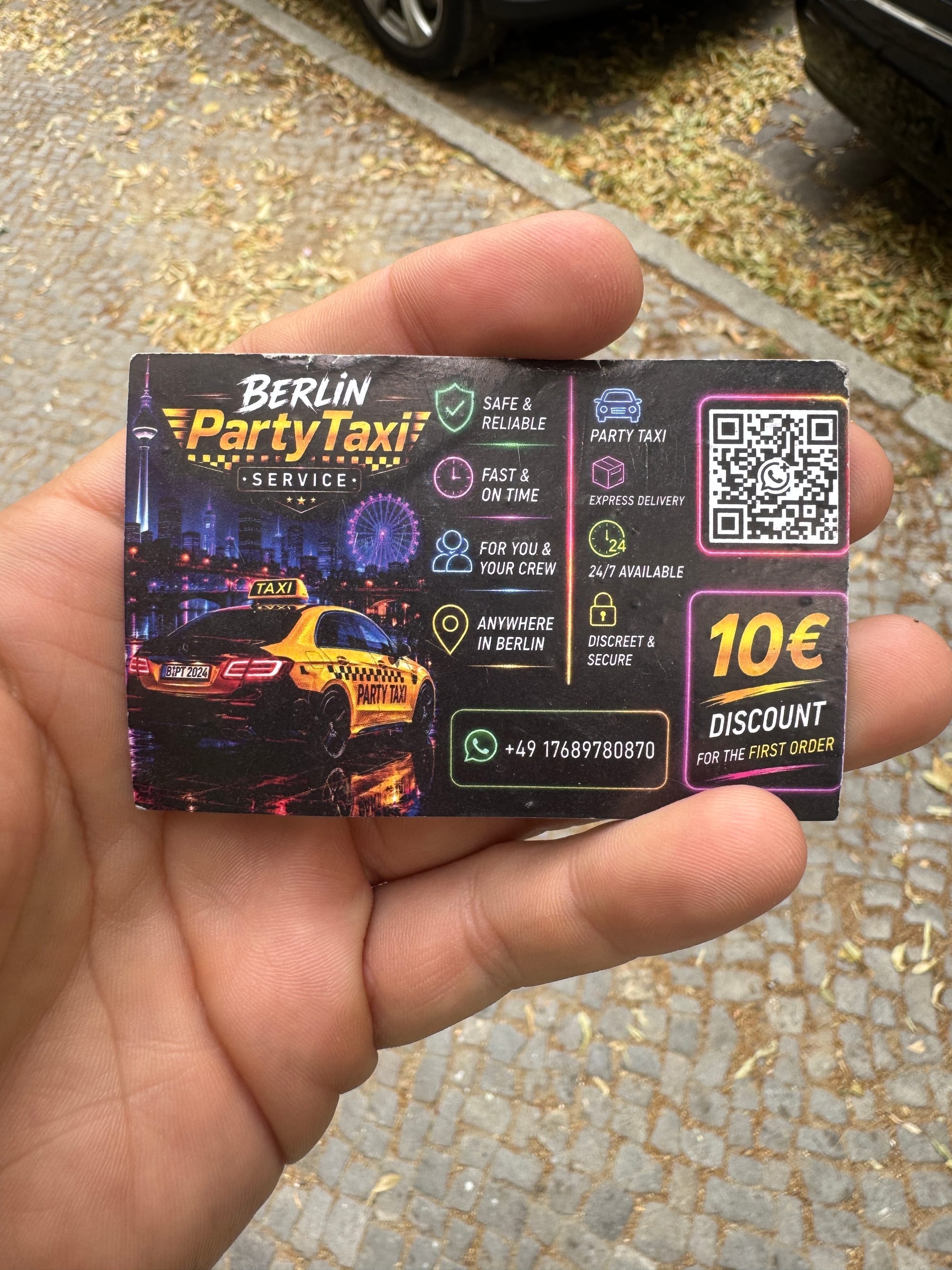
In the last few weeks, since I began noticing ChatGPT flyers, I’ve been taking photos of ones I’ve seen in real life, and have asked my friends to take photos of AI flyers they’ve seen out in the real world. I’ve seen them at Mexican restaurants and for surfing lessons in Los Angeles, on business cards for drug delivery services and on döner shops in Berlin, for pretzel shops in Philadelphia, and so on. I’ve tried at times to not notice these, but like with other AI, my brain feels like it is constantly trying to calculate whether any given sign or flyer was made using AI, and, if so, whether it actually matters.
These can be generated in ChatGPT easily by asking it to generate you a flyer or advertisement for any sort of event or business you can think of. ChatGPT routinely generated flyers that are essentially identical in format to what I see all the time when I threw random events at it: “Can you make a poster for my bar? It’s called Jason’s bar and we’re having a Fourth of July party. It goes from 4-10 pm and has food, fun, and fireworks,” and it instantly generated this, which is emblematic of the style.
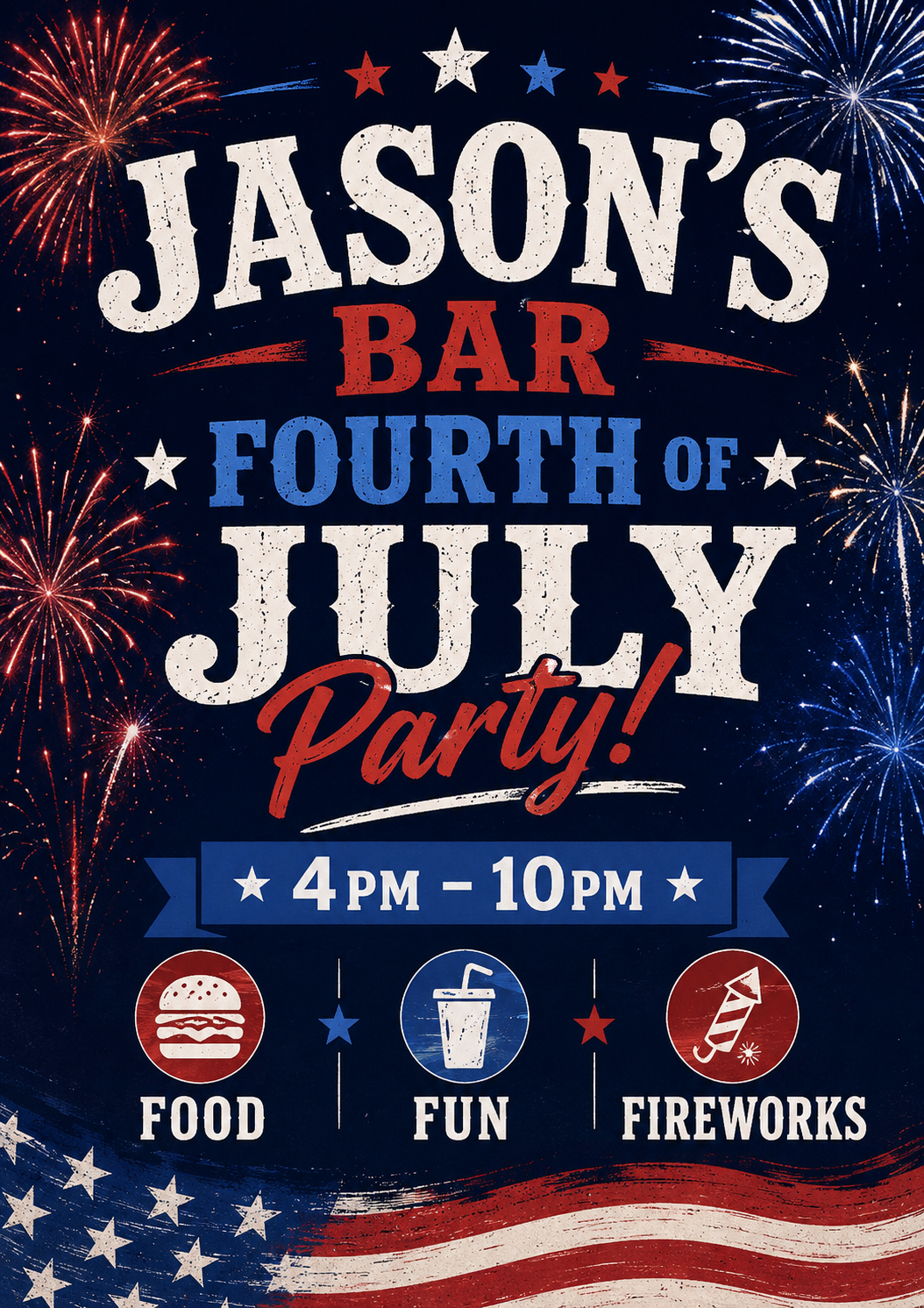
None of the ChatGPT posters have the “Graphic Design Is My Passion” charm of quickly dashed off or handwritten posters, nor even the unhinged excess you might see in, for example, a Softbank Vision Fund slide presentation. For my money, one of the most iconic pieces of graphic design of the last 20 years is “Friendship Ended With Mudasir, Now Salman is my best friend.” With a ChatGPT poster, you get none of the sheer emotion that comes through the page with a mouse-drawn X. Here’s to bringing back an MS Paint aesthetic, handwritten scribbles, or literally anything else.