R Systems, a global IT services and digital solutions company, has set up a global capability centre (GCC) in Mangaluru after acquiring local firm Novigo in a ₹400-crore all-cash deal earlier this year. Since 2011, the end-to-end IT solutions provider has specialised in full-cycle IT Services and platform solutions.
While this acquisition may seem like another move by the US-headquartered firm to expand its India footprint, after taking over Pune-based product engineering firm Velotio Technologies in 2023, it hints at a larger trend of promoting balanced regional growth in tech across Karnataka.
Here, the Mangaluru cluster, encompassing Dakshina Kannada, Kodagu, Udupi, and Uttara Kannada districts, is an interesting piece of the puzzle.
With targeted innovation, the region has emerged as a key hub for port and logistics technology, fintech, IT, and deep tech industries.
Mangaluru offers plug-and-play infrastructure, driven by Karnataka’s Beyond Bengaluru initiative, with over 2 million sq ft of IT space currently under development, including the KEONICS IT Park.
The region already contributes over ₹4,200 crore in exports and aims to reach ₹40,000 crore by 2033. The cluster supports more than 200 startups and employs around 20,000 IT professionals, positioning it as a rapidly growing destination for technology and innovation.
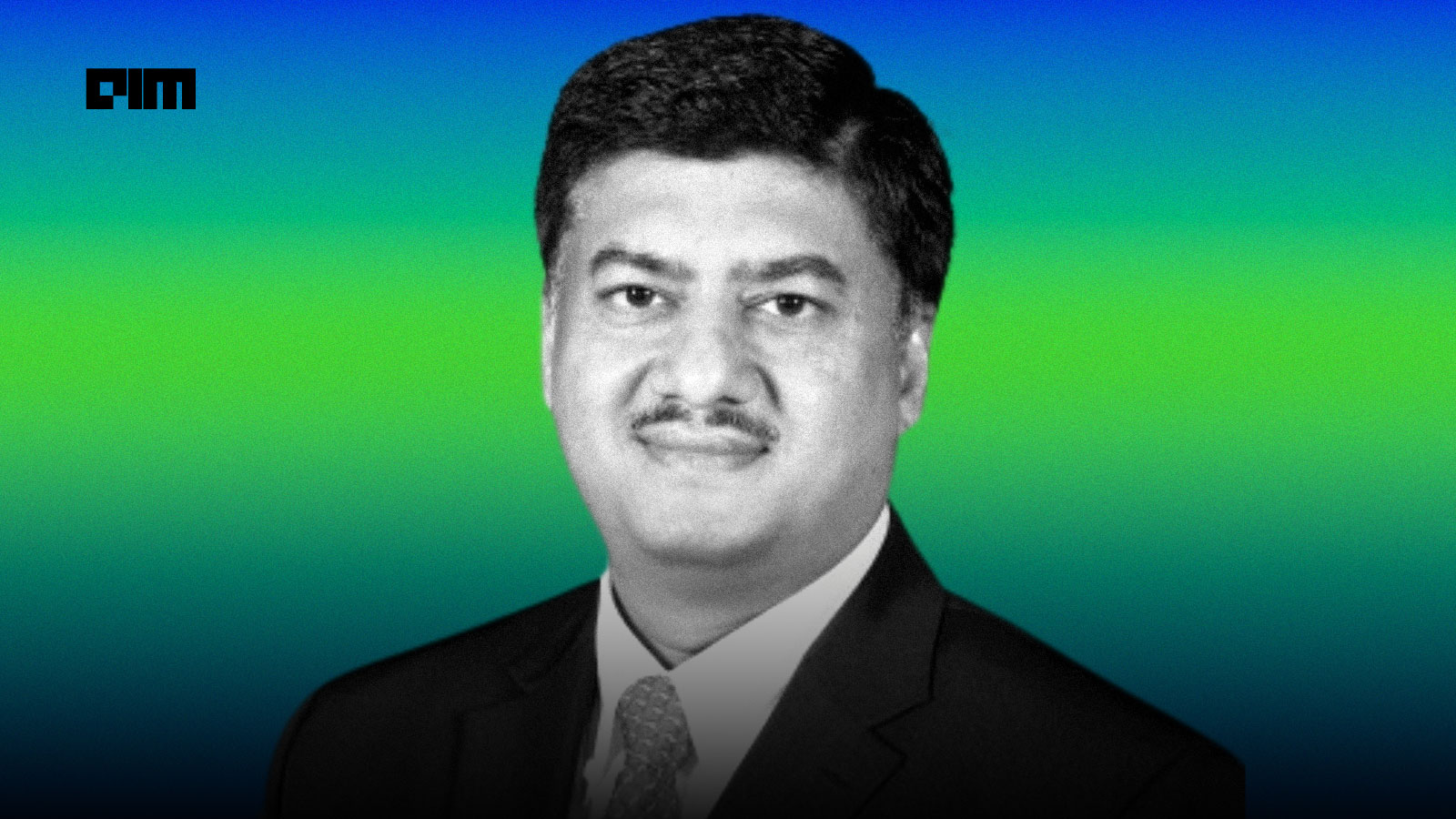
In an exclusive conversation with AIM, Nitesh Bansal, CEO, R Systems, shared the rationale behind establishing a GCC in Mangaluru, the centre’s focus areas, and its vision for the future.
Why Mangaluru Over Other Cities?
On why R Systems chose Mangaluru instead of traditional tech hubs, Bansal explained, “R Systems has always had a presence in Noida, Pune, Chennai, and Bengaluru. But as we looked at expanding the talent pool, we were also exploring promising tier 2 centres offering both cost advantage and higher retention.”
Furthermore, Bansal’s previous experience at Infosys played a key role. He recalls overseeing the Mangaluru development centre during his tenure as senior vice president, impressed by the quality of talent and higher retention.
“Novigo is a recognised brand locally, consistently ranked among the top three preferred companies to work for. This combination of great talent, high retention, and strong brand recognition made Mangaluru very attractive for us,” he added.
Currently, R Systems’ Mangaluru office has about 350 employees, primarily from Novigo, with plans to hire another 35 through campus drives.
Bansal emphasised the importance of tier 2 talent while recognising the value of niche skills in tier 1 cities. “Some deeply skilled talent exists more in Bengaluru and Hyderabad because of experience with global enterprises. That talent is limited and expensive. But to scale, you need good, knowledgeable, hardworking people willing to learn.”
Mangaluru has seen gradual growth in its tech ecosystem over the years. Over time, Tech Mahindra, Cognizant, and others built their presence. Startups like RoboSoft and Novigo have contributed significantly. Recently, NTT Data and Bose created large GCCs.
When the size of the pie grows, everyone’s share grows too, and that’s exactly how the ecosystem benefits.
Building Innovation in Mangaluru
India’s GCCs have rapidly progressed from experimenting with AI to deploying it at enterprise scale.
According to the EY India GCC Pulse Survey 2025, 58% of GCCs are already investing in agentic AI, and another 29% plan to scale these initiatives in the coming year, signalling a decisive shift toward AI-driven value creation.
To achieve this, R Systems is leveraging Novigo’s expertise in low-code, no-code, and intelligent process automation to drive innovation.
“We are entering in a big manner in the agentic AI ecosystem. It is a combination of data, AI, and process skills. Some we bring from other centres, but some we will have to acquire and build. We believe Mangaluru will act as a great talent pool for us to build that ecosystem,” Bansal stated.
The company’s agentic AI portfolio spans three categories including internal agents that automate the software development lifecycle through the Optima AI suite already deployed across 70+ clients.
Vertical process agents deliver industry-specific AI solutions for sectors including healthcare, insurance, and travel. Telecom and horizontal corporate agents streamline enterprise functions, including accounts payable, legal document verification, and employee onboarding, supported by a library of nearly 125 pre-built agents.
“We use a variety of frameworks, including OpenAI, Anthropic, Llama 2, Llama 3, and even some Chinese models,” Bansal noted.
Looking ahead, R Systems aims for both quantitative and qualitative growth.
“We would like to scale the centre to around 500 people in the next two years,” he noted.
“Qualitatively, we want it to become the heartbeat of agentic innovation and a centre of excellence for verticals like insurance, travel, and other capabilities we develop,” Bansal added.
The post Why R Systems Turned to Mangaluru to Build Agentic Ecosystem appeared first on Analytics India Magazine.