
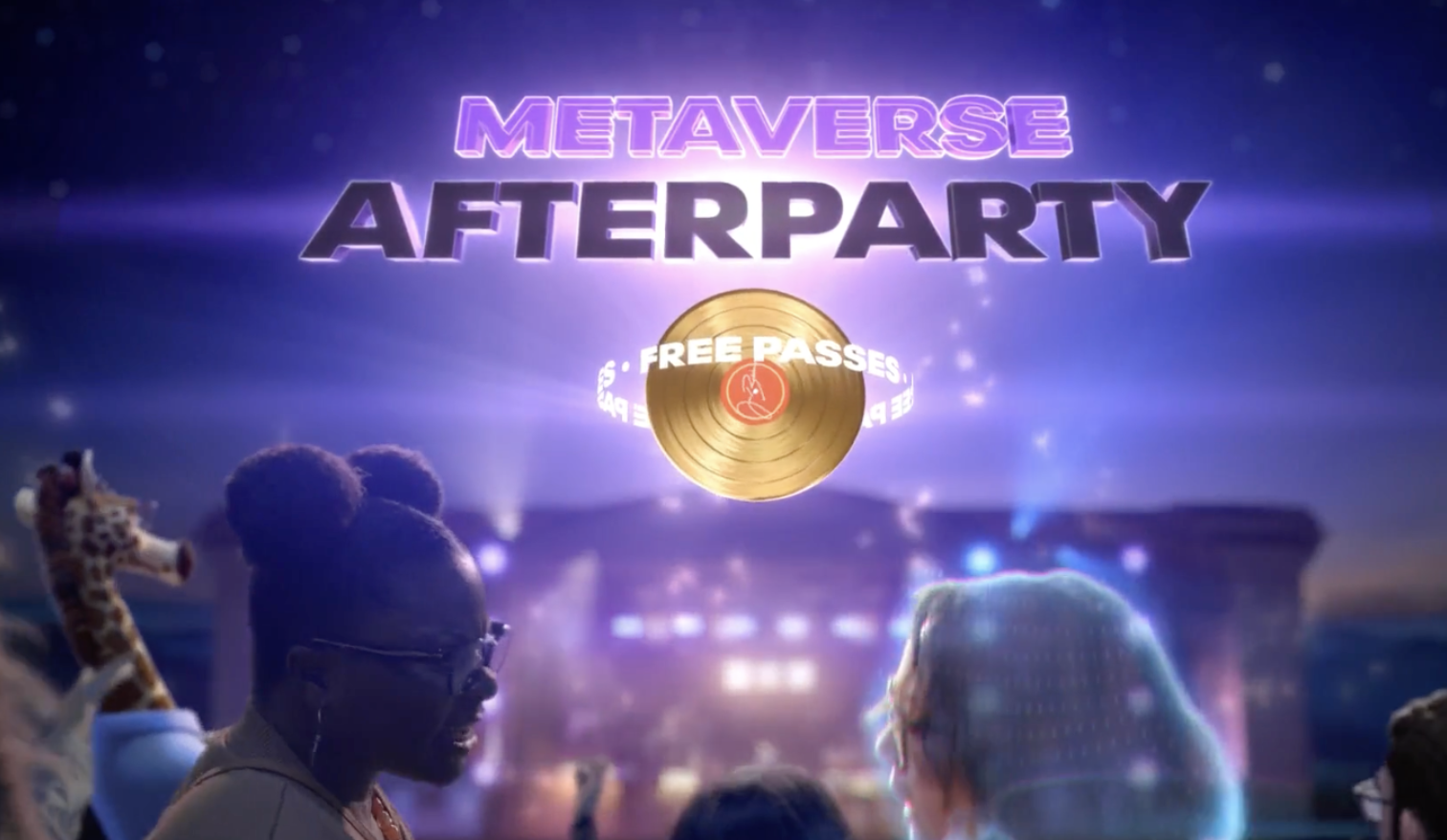
A few things on the end of Horizon Worlds, the metaverse that Mark Zuckerberg believed in so much that he renamed his company:
1) It’s very sad that many of the people who worked on it have been unceremoniously laid off because their leaders appear to have no idea what they’re doing
2) lol
3) lmao, even
Who could have possibly predicted this?
When Zuckerberg announced Horizon Worlds not really all that long ago at a batshit livestream in October 2021, I wrote an article called “Zuckerberg Announces Fantasy World Where Facebook Is Not a Horrible Company.” During that livestream Zuckerberg said, “I believe technology can make our lives better. The future will be built by those willing to stand up and say ‘this is the future we want.’” The future Zuckerberg wanted, at that time, was not a future anyone else wanted. But he was bold enough to systematically light roughly $80 billion on fire, not because he was willing to stand up and paint a vision of the future, but because Facebook was mired in various horrendous scandals and because he needed to rebrand his company and needed something shiny to point at to keep Facebook’s stock price up. It is bad when actual economists say that money was thrown “into the toilet.”
Let’s check what I wrote then: “The future Zuckerberg went on to pitch was a delusional fever dream cribbed most obviously from dystopian science fiction and misleading or outright fabricated virtual reality product pitches from the last decade. In the ‘metaverse’—an ‘embodied’ internet where we are, basically, inside the computer via a headset or other reality-modifying technology of some sort—rather than hang out with people in real life you could meet up with them as Casper-the-friendly-ghost-style holograms to do historically fun and stimulating activities such as attend concerts or play basketball.”
Zuckerberg’s bold vision of the metaverse was a place where T-Pain would sell NFTs of imaginary sneakers at concerts attended by people sitting silently in their living rooms with computers strapped to their face, where Wendy’s could do integrated brand deals in which human-shaped avatars without legs could throw baconators at basketball hoops, and where Zuckerberg could pretend to know how to surf. Even on these pitiful metrics, the metaverse failed. “Whatever the metaverse does look like, it is virtually guaranteed to not look or feel anything like what Facebook showed us on Thursday,” I wrote at the time.
Over the last few years, Zuckerberg has found another thing he can ruin via his trademark process of pouring kerosene on huge piles of money and throwing matches at it (perhaps a fun metaverse game?). Zuckerberg’s current bold vision for the future is one in which social media is not social media at all but is instead a bunch of highly customized AI-generated ads delivered to you via an increasingly creepy algorithm. Alongside this, it is a future in which Reality Labs—the division of Meta that created Horizon Worlds—makes AI camera glasses whose main use appears to be harassing women, traumatizing the underpaid content moderators who watch the footage in developing countries, and fashion statements for federal officials whose current mission is kidnapping undocumented immigrants.
The complete and utter failure of the metaverse is a reminder not just of the fact that the future Silicon Valley is force feeding us is not inevitable, but that quite often these oligarchs quite simply cannot relate to real people, don’t know how or why people use their products, and very often have no idea what they’re doing.
I remember the metaverse, crypto, web3 Venn diagram of hype very well—in fact, I remember sitting in meetings where VICE executives proposed renting land in the crypto-focused Decentraland metaverse to build a virtual VICE headquarters (where we all worked before 404 Media). I noted at the time that Decentraland was stupid, and that far fewer people were on Decentraland at any given time than were reading even a failed blog post on the website of our failing company. It didn’t matter. The people “willing to stand up and say ‘this is the future we want’” wanted a virtual building in a virtual dead mall, and they got it. Was it because they were so brave and forward looking? Or was it because they were rich and powerful and could say this is the future we, the business people, the business knowers, want?

