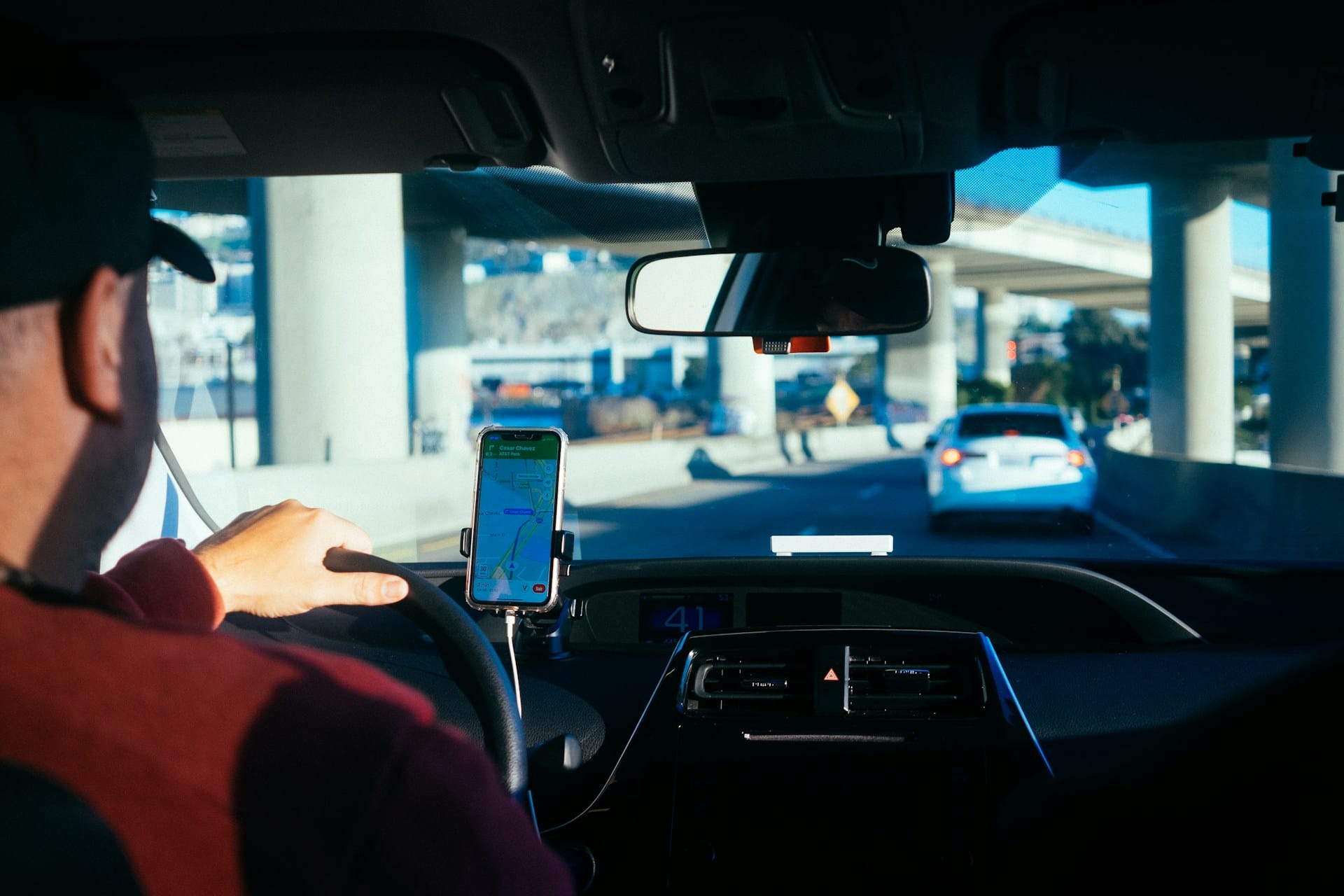
Flock planned to use dashcams installed in hundreds of thousands Uber, Lyft, and delivery drivers’ vehicles to scan license plates those drivers travelled passed, essentially turning Uber and Lyft drivers into roaming surveillance vehicles, according to a Flock presentation shared with 404 Media.
The document provides more details on Flock’s planned partnership with Nexar, a popular dashcam company. 404 Media first revealed the intended partnership last August when multiple sources provided information on the plan. The presentation shows Flock was actively pitching this partnership, and its use of Uber and Lyft drivers, to potential customers right around the time 404 Media reported on it.
Flock told 404 Media in an email it never executed the partnership with Nexar. But the presentation still shows Flock’s ambitious plan to conscript rideshare and delivery drivers to collect license plate data for its network. It is not clear whether Uber or Lyft, or drivers working for those apps, would have been aware of the data collection.
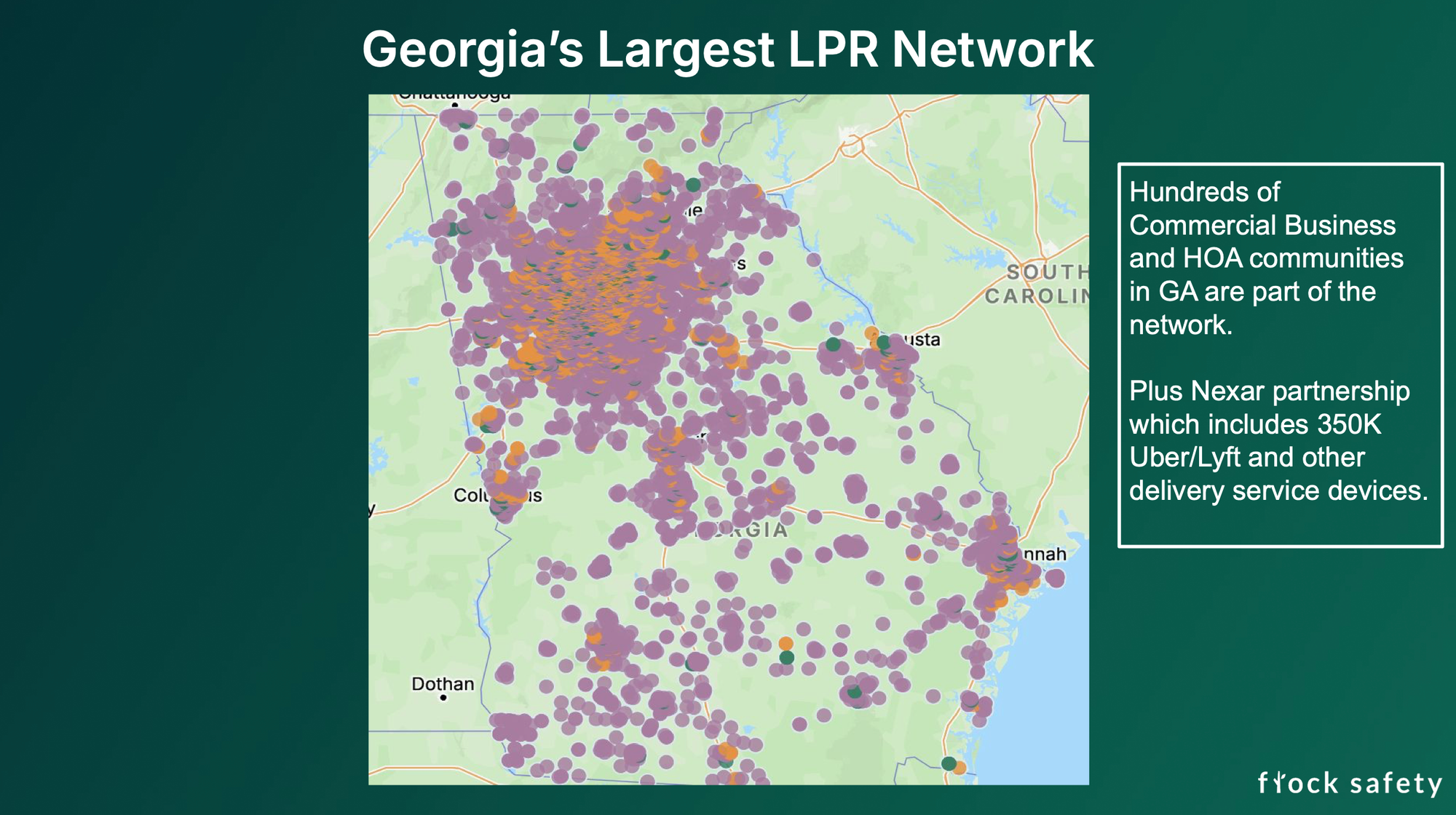
“Hundreds of Commercial Business and HOA [home owners associations] in GA [Georgia] are part of the network,” the presentation, written by Flock to present to the Georgia Office of the Attorney General last August, reads. “Plus Nexar partnership which includes 350k Uber/Lyft and other delivery service devices.”
Jason Hunyar, a Dunwoody, Georgia, resident who obtained the presentation through a public records request, shared the document with 404 Media.
Flock’s automatic license plate reader (ALPR) cameras are usually stationary cameras installed on tall poles that constantly scan the license plate, color, make, and brand of every vehicle that drives past. The Nexar partnership would have made those data collection efforts mobile. Axon, the law enforcement contracting giant that also sells ALPR cameras, sells some of its cameras to be installed in police officers’ roaming cars. Vigilant Solutions and the Digital Recognition Network (DRN), two ALPR companies now owned by Motorola, perform similar license plate data collection through cameras in vehicles belonging to repossession agencies.
Nexar sells various different models of dashcams providing front, cabin, and rear views, and already can provide “clear license plate capture with Full HD video,” according to its website. Nexar markets the cameras to rideshare drivers and also “commuters,” “long-distance drivers,” and “casual drivers.”
In September, 404 Media reported that a hacker broke into Nexar and accessed a database of terabytes of video recordings taken by customers’ cameras. Those included footage of people driving around sensitive Department of Defense locations.
Flock has explored obtaining other unusual datasets too. Last May, 404 Media reported Flock was building a massive people lookup tool that would use hacked data to “jump from LPR to person,” according to leaked audio. Flock scrapped those plans after 404 Media’s coverage and internal pressure.
Neither Uber nor Lyft responded to a request for comment. Neither did Nexar.
In May, 404 Media reported a company called BusPatrol, that has cameras installed in tens of thousands of school buses, plans to turn those cameras into ALPRs and give access to that data to law enforcement.