To meet demand from artificial intelligence companies, some of the world’s largest data centres are planned for the outskirts of major Australian cities. Dozens more are planned. OpenAI chief Sam Altman has said Australia could be a global leader.
This week, Prime Minister Anthony Albanese announced plans to fast-track new data centres. He promised the AI boom would not drive up power prices. The government would require big new data centres to “underwrite new power supply” and to “put at least as much energy into our grid as they take out of it”.
The push for more AI data centres is increasingly controversial. Huge data centres use a lot of power to run their servers and keep them cool. In the United States, the AI rush has led to a boom in gas generation as well as for clean energy.
If done poorly, Australia’s data centre boom could risk the ongoing shift to renewables and storage – and potentially drive up power prices.
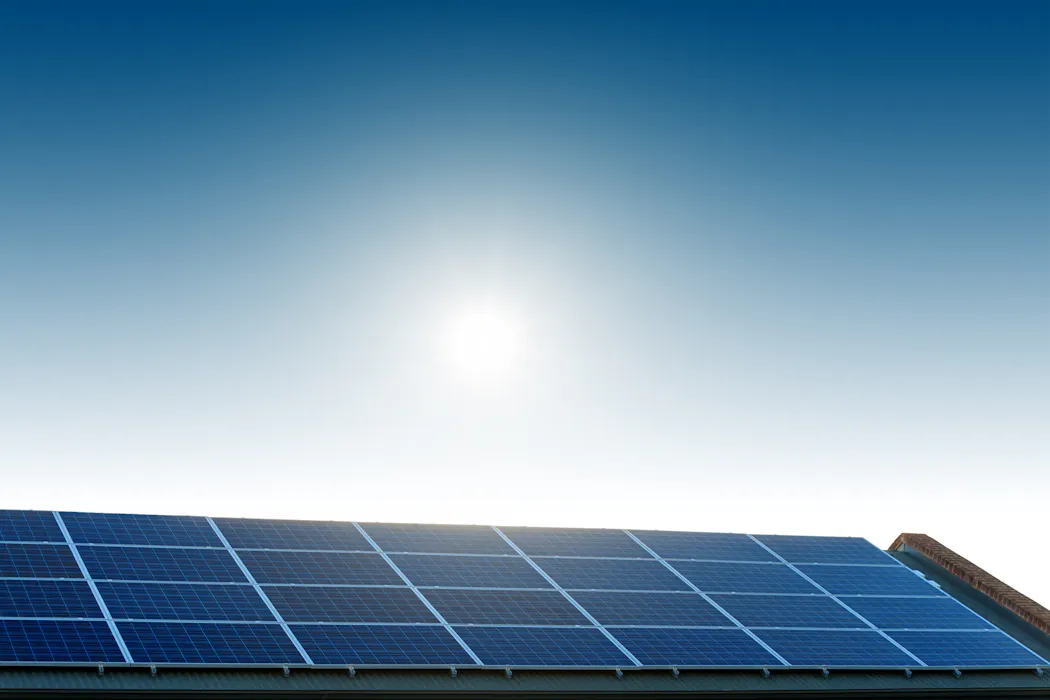
But if it’s done well, the boom could be a win-win for energy. Many solar and wind projects have been stuck in limbo waiting for grid connections. Locating data centres in these areas could unlock new renewables – and decentralise the AI boom.

Westend61/Getty
Is surging power demand a problem?
Power use by AI-focused data centres worldwide could potentially triple by 2030, according to International Energy Agency forecasts.
Last year, a study commissioned by the Australian Energy Market Operator suggested data centres could account for around 6% of National Electricity Market electricity demand by 2030.
But it could go higher still. Australia has a growing pipeline of giant data centre developments moving through planning and connection processes. These hyperscale centres can typically require 100–500 megawatts of power. Next-generation AI facilities are approaching 1 gigawatt. The eventual power demand could be considerably higher if all are approved.
It’s understandable consumers, policymakers and network planners are worried about whether electricity systems can keep pace.
But focusing on how much more energy is needed can be an error. It would be better to look at where new demand is emerging and focus on coordinating this demand with generation, storage and network investment.
Most big new data centre projects are planned for the outskirts of Melbourne and Sydney. But they don’t have to be built in cities.
An opportunity for regional Australia?
Australia has some of the world’s best solar and wind resources, along with enormous potential for energy storage.
But many renewable projects have to wait years for access to the grid. The new transmission lines essential for the renewable transition have faced long delays, opposition from some communities and planning uncertainty.
It would make sense to encourage new data centre projects to be built in regions with good renewable resources and tricky grid access.
This would mean renewable projects could launch without waiting for grid access in the knowledge they have a reliable customer. Data centre developers could benefit from cheap power. The power grid would benefit from reduced pressure, potentially avoiding the need for expensive network upgrades. And regional communities could benefit from investment and economic development.
A manufacturing plant often needs to be close to transport corridors, customers or raw materials. But these factors don’t matter to data centres, as long as they have access to high-quality internet connectivity, water and affordable and reliable power. Renewable projects would need to be supported by grid batteries, able to store power and release it steadily to keep the data centre running.
More than big energy consumers?
Data centres are often viewed as large electricity consumers that need power all the time. But this doesn’t have to be the case. They can be active participants in the energy system.
Many modern data centres are now designed with their own battery storage systems, and energy management platforms. Some computing tasks such as AI training can be set to run when power prices are low.
Increasingly, data centres are being paired with separate energy storage facilities such as grid-forming battery systems. These systems do more than simply provide backup power. They can keep electricity voltage and frequency stable, soak up power from renewables during peak output and reduce pressure on the grid during peak demand.
Combining data centres with grid-forming batteries makes energy demand more flexible. The data centres of the future could actively support the grid rather than simply consume power.
Looking ahead
To date, much of the debate over data centres and electricity has focused on how much power they will use.
It’s worth asking a more important question: where can we build them so they interact best with Australia’s energy system as it shifts from fossil fuels to renewables and storage?
Data centres are becoming essential infrastructure. If planned strategically, they could help unlock renewable energy development, strengthen regional economies and support the shift to a cleaner, more resilient electricity system.
It’s worth thinking about how data centres and renewables can work best together as an integrated ecosystem. The question is not whether data centres need too much power. It’s whether we are building the right energy ecosystem around them.

Mehdi Seyedmahmoudian does not work for, consult, own shares in or receive funding from any company or organisation that would benefit from this article, and has disclosed no relevant affiliations beyond their academic appointment.