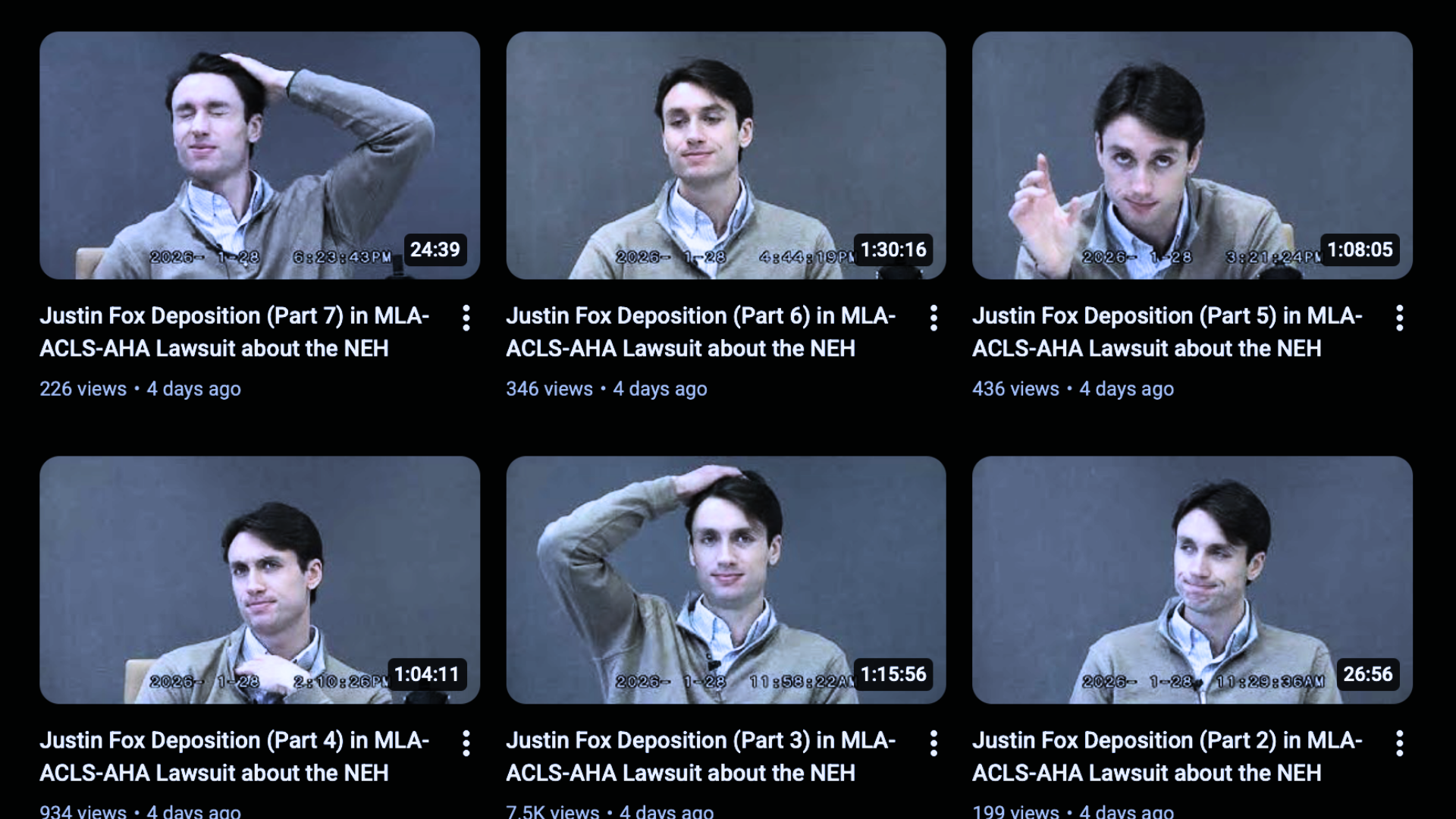
A judge on Friday ordered the immediate removal of a series of depositions of members of DOGE, but not before clips of the depositions, including one in which a member was largely unable to define DEI, went viral and were covered widely, including by 404 Media.
At the time of writing, the depositions are not available on YouTube, where the Modern Language Association had uploaded them. The MLA, American Council of Learned Societies, and American Historical Association, are suing the National Endowment for the Humanities (NEH) and others around DOGE’s cuts of hundreds of millions of dollars worth of grants. Neither the plaintiffs nor the government immediately responded to a request for comment.
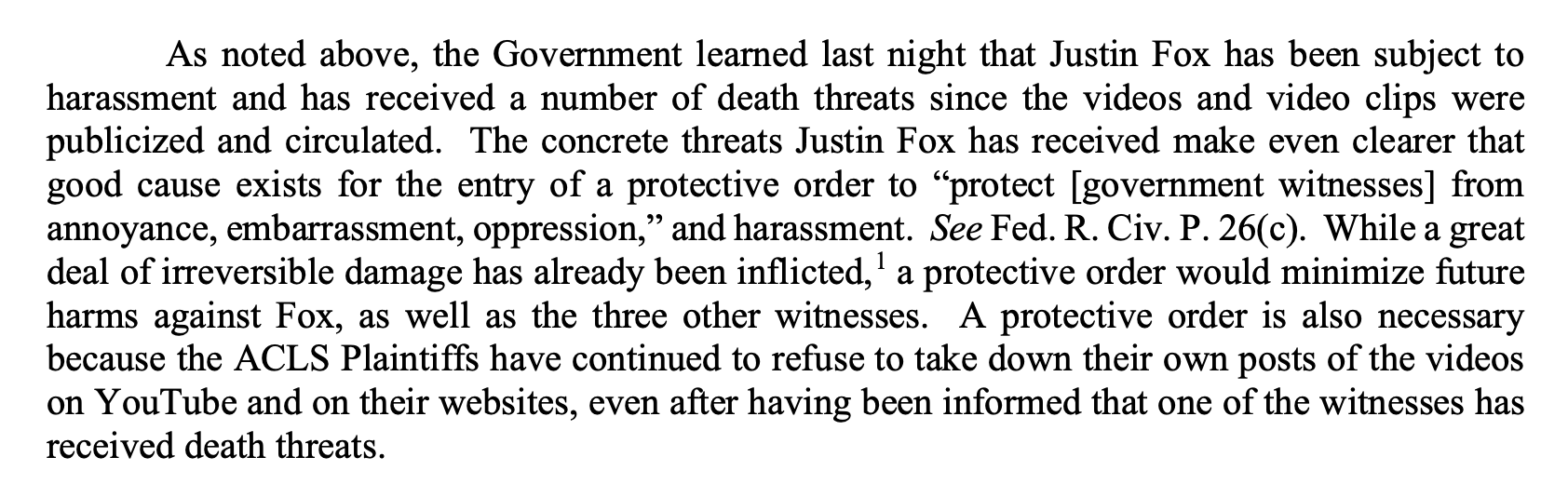
The government recently asked the plaintiffs to remove the videos “from the internet due to concerns that the publication of the videos could subject the witnesses and their family members to undue harassment and reputational harm,” according to a filing from the government on Friday. “Unfortunately, that risk has now materialized—at least one witness has been subjected to significant harassment, including death threats. Accordingly, we respectfully request that the Court enter the requested order as soon as possible to minimize the risk of additional harm to the witnesses and their families.”
The letter then references media coverage, including 404 Media’s specific article I Watched 6 Hours of DOGE Bro Testimony. Here’s What They Had to Say For Themselves.
Specifically, the filing says Justin Fox, whose response to not being able to define DEI went viral, “has been subject to harassment and has received a number of death threats since the videos and video clips were publicized and circulated.”

In response later on Friday, Judge Colleen McMahon ordered the plaintiffs to “immediately take any and all possible steps to claw back the videos of the depositions of the witnesses identified in the Government’s motion,” and said the court will hold a hearing about the issue on Tuesday.
The plaintiffs then filed an emergency motion saying, “Defendants never designated the video depositions in question as Confidential under the Protective Order, and Defendants have never alleged in their correspondence with ACLS Plaintiffs that ACLS Plaintiffs violated the protective order presently in place.”
The judge provided a response later that day, saying the request was “DENIED.”“See you Tuesday,” the court docket reads.