
It’s a regrettable reality that there is never enough time to cover all the interesting scientific stories we come across each month. So every month, we highlight a handful of the best stories that nearly slipped through the cracks. February’s list includes the revival of a forgotten battery design by Thomas Edison that could be ideal for renewable energy storage; a snap-on device to turn those boxers into “smart underwear” to measure how often we fart; and a dish of neurons playing Doom, among other highlights.
Reviving Edison’s battery design
Credit:
Maher El-Kady/UCLA
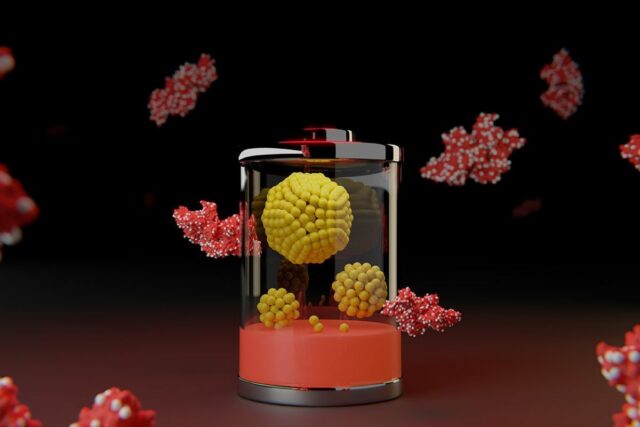
At the onset of the 20th century, electric cars powered by lead-acid batteries outnumbered gas-powered cars. The internal combustion engine ultimately won out, in part because those batteries had a range of just 30 miles. But Thomas Edison believed a nickel-iron battery could extend that range to as much as 100 miles, while also having a long life and recharging times of seven hours. An international team of scientists has revived Edison’s concept of a nickel-iron battery and created their own version, according to a paper published in the journal Small.

