A quieter weekend day dominated by drone policy: FCC exemptions, DJI’s court fight, and new local oversight, plus a large driverless-trucking commitment.
1. FCC clears 23 drone makers to sell despite its Covered List ban
The FCC says 71 companies, including 23 drone makers, may sell equipment that its Covered List would otherwise bar. Each approval depends on the company’s plan to manufacture in the US.
Why it matters: The exemptions turn domestic manufacturing commitments into the practical path to the US drone market, shaping which aircraft operators and agencies can keep buying.
2. Bot Auto launches Capacity Grid with 200 million miles of driverless freight agreements
Houston-based Bot Auto introduced Capacity Grid, a network that lets shippers and freight brokers reserve autonomous trucking capacity ahead of time at agreed prices and routes. The launch comes with agreements covering 200 million miles of driverless operations.
Why it matters: Booking driverless capacity in advance treats autonomous trucks as a plannable freight product rather than a pilot, and the mileage commitments give a measure of customer demand.
3. FCC says DJI’s court petition helps its case
DJI has asked the Ninth Circuit to require the FCC to rule on its Covered List petition. The FCC responded that the request supports its own position.
Why it matters: Read alongside the new exemptions, the dispute keeps DJI’s US status unresolved, which matters for pilots and public agencies that fly its aircraft.
4. Drones strike sanctioned Russian military-linked ship in the Gulf of Finland
Drones hit the Sparta II, a US-sanctioned vessel with Russian military links, on November 21. Finland’s military says Ukraine was likely responsible; the 16 crew have left the ship, which is still burning.
Why it matters: A strike in the Baltic shows how far the reach of military drones has extended beyond the front line, a concern for shipping and for neighbouring states.
5. LAPD chief warns spray drones could be weaponized at LA28
LAPD Chief Jim McDonnell told ABC7 that spray drones could be used as weapons during the 2028 Olympics. The city accepted a $9.77M counter-drone grant in April.
Why it matters: Counter-drone planning is becoming a standard part of major-event security, and LA28 preparations are an early test of how cities fund and deploy it.
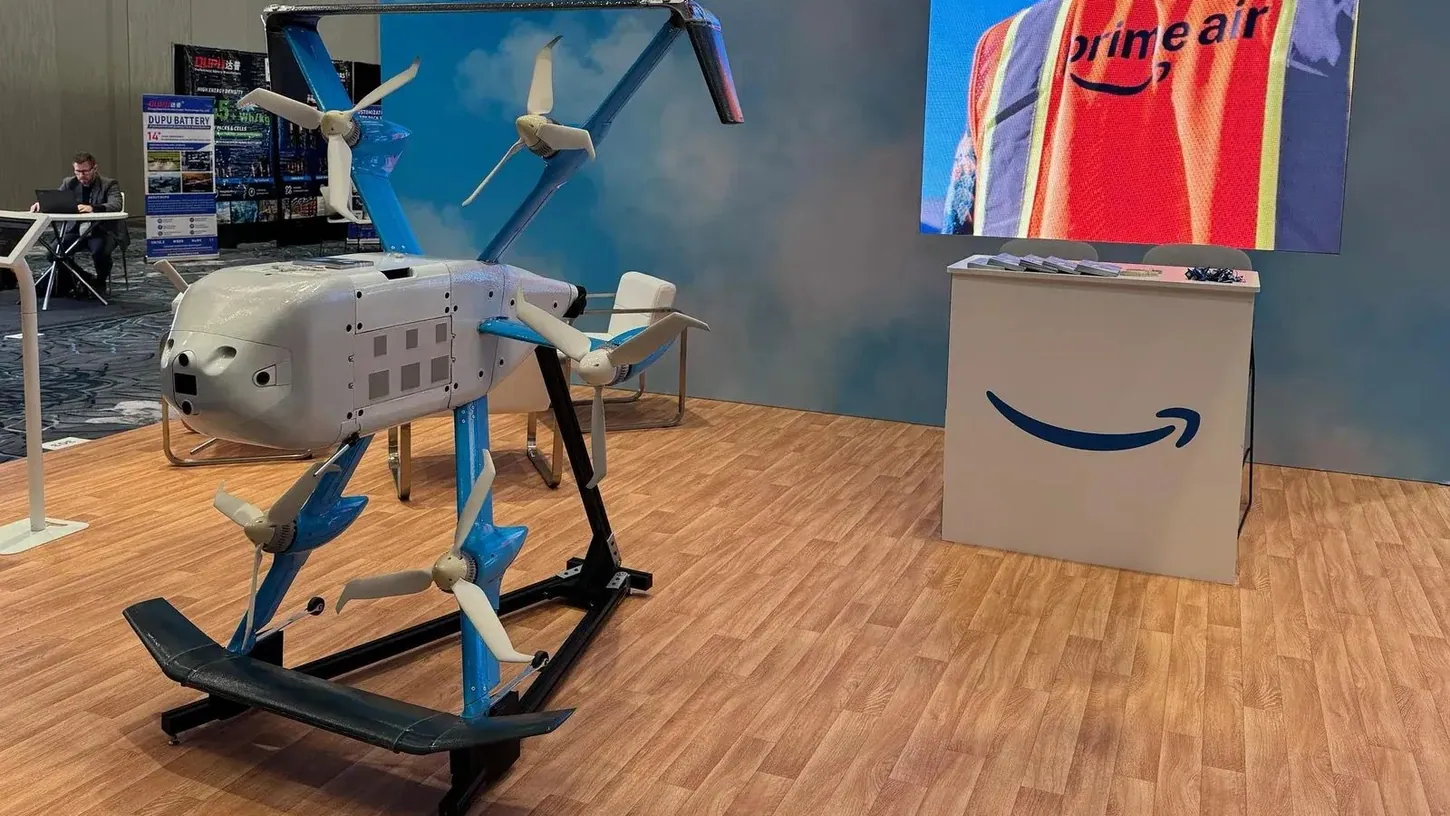
6. Amazon MK30 ends up on a Michigan garage roof
An Amazon MK30 delivery drone came to rest on a garage roof in Michigan after a delivery. The customer says it struck a line and lost a propeller; Amazon describes the event as a landing.
Why it matters: Incidents like this, and how operators describe them, feed directly into public trust and regulator scrutiny as drone delivery scales up.
7. Muncie proposal would require council votes on police drones
Muncie’s Ordinance 29-26 would require a city council vote before police acquire any drone, including donated ones. Drones the department already operates would not be affected.
Why it matters: As free and low-cost police drone programs spread, local councils are starting to set their own approval rules for them.
Quick hits
- An Adair County, Kentucky emergency management drone located a man in a field about 13 hours after police say he escaped custody.
- Opinion: after an 83-pound MK30 landed on a roof delivering shampoo, our columnist argues trivial deliveries should face a higher safety bar.
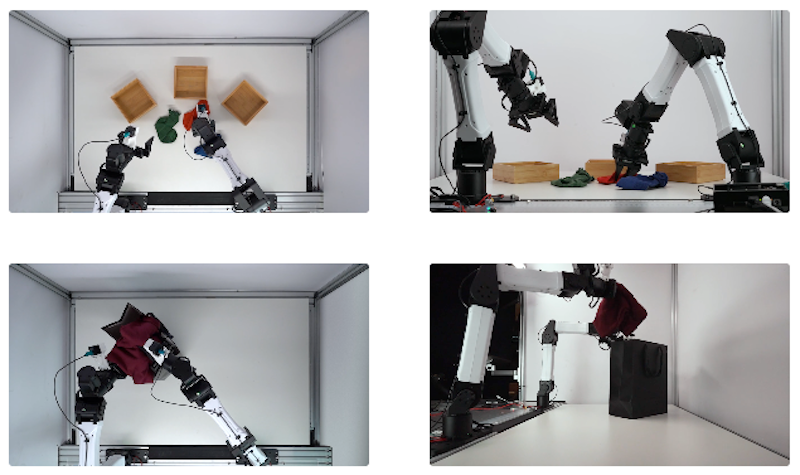
- Manufacturers deploying autonomous robots face gaps in data collection, interoperability and quality feedback.
Get the Daily and Weekly Brief by email — subscribe free. Every item links to our summary and the original reporting. Brief compiled by Physical AI News.
Newsletter
Get the Physical AI brief
The day’s most important robotics and embodied-AI stories, in your inbox.